


Green walls are a highly popular element in interior and exterior design. A common dilemma is deciding between a green wall made of natural preserved plants or artificial greenery. Both options have their advantages and drawbacks, which makes it essential to understand what each offers. In this article, we provide our tips to help you make the final decision.
Natural Preserved Plants
Preserved plants are 100% natural, undergoing a stabilization process based on bio-preservation to retain their flexibility and natural freshness.
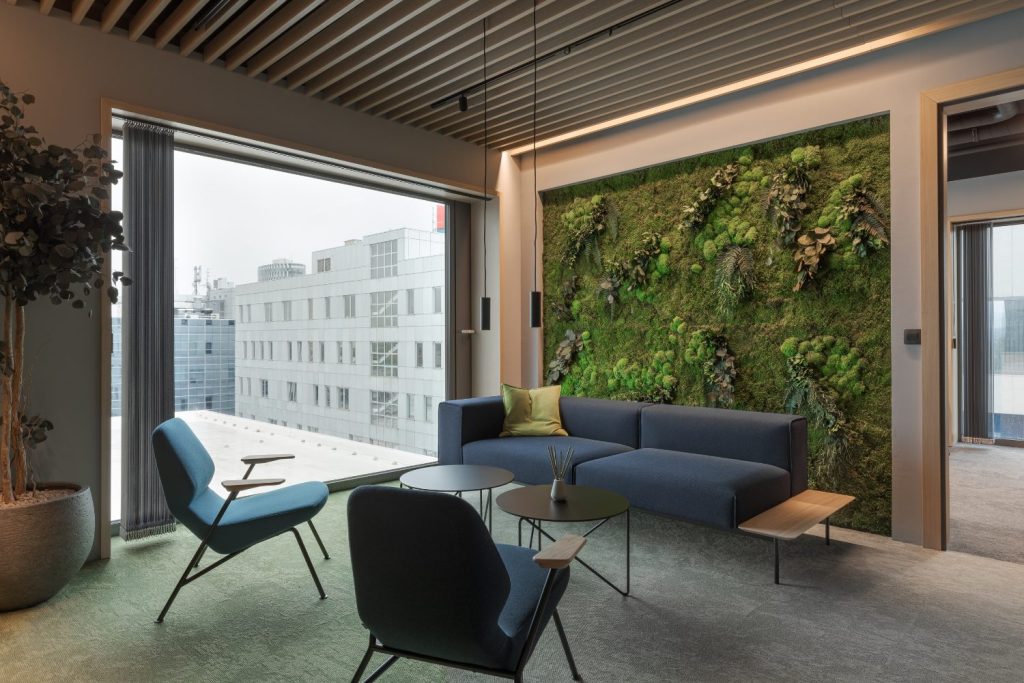
Advantages of Natural Preserved Plants Over Artificial Greenery
- Aesthetic Value: Preserved plants maintain their natural appearance, color, and texture. Their authentic look, often associated with luxury and elegance, elevates the sophistication of any space.
- Tactile Experience: In addition to their natural appearance, preserved plants feel real to the touch, adding a new dimension to interior design.
- Eco-Friendliness: The stabilization process utilizes natural resources, often making it more sustainable compared to the production of artificial plants, which involves plastics and non-renewable materials. While preserved plants do not perform photosynthesis, they do not emit harmful chemicals found in some artificial plant materials.
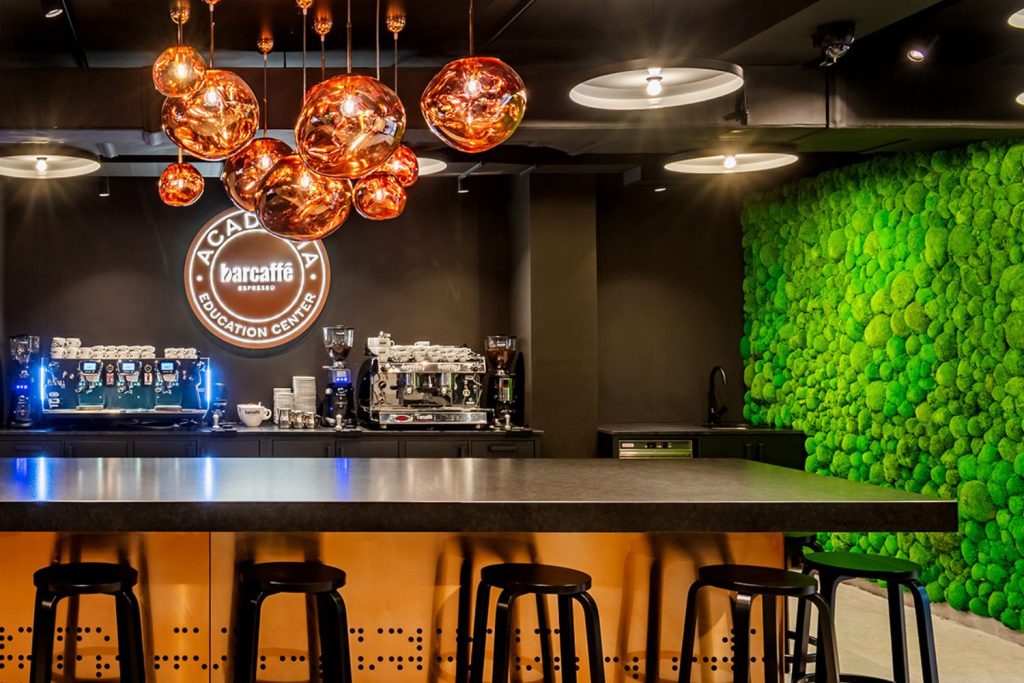
Disadvantages of Natural Preserved Plants Over Artificial Greenery
- Sensitivity to Conditions: Preserved plants can be sensitive to high humidity and extreme temperatures. Excessive or insufficient air humidity may cause them to lose color or deteriorate, and extreme temperatures can damage their structure. Ideal humidity is between 45-55%. Direct sunlight or constant exposure to artificial light can cause fading and material degradation.
- Limited Plant Selection: Not all plant species are suitable for stabilization, which limits the variety of plants available. Artificial greenery, on the other hand, offers a broader range of types, colors, and shapes.
Artificial Greenery
Advantages of Artificial Greenery Over Natural Preserved Plants
- Durability: Artificial plants with UV protection are resistant to temperature changes, humidity, and sunlight, making them ideal for all environments.
- Wide Variety: Artificial greenery is available in numerous colors, shapes, and sizes, allowing greater creativity in design.
- Cost-Effectiveness: Artificial plants are often more affordable than preserved natural plants.
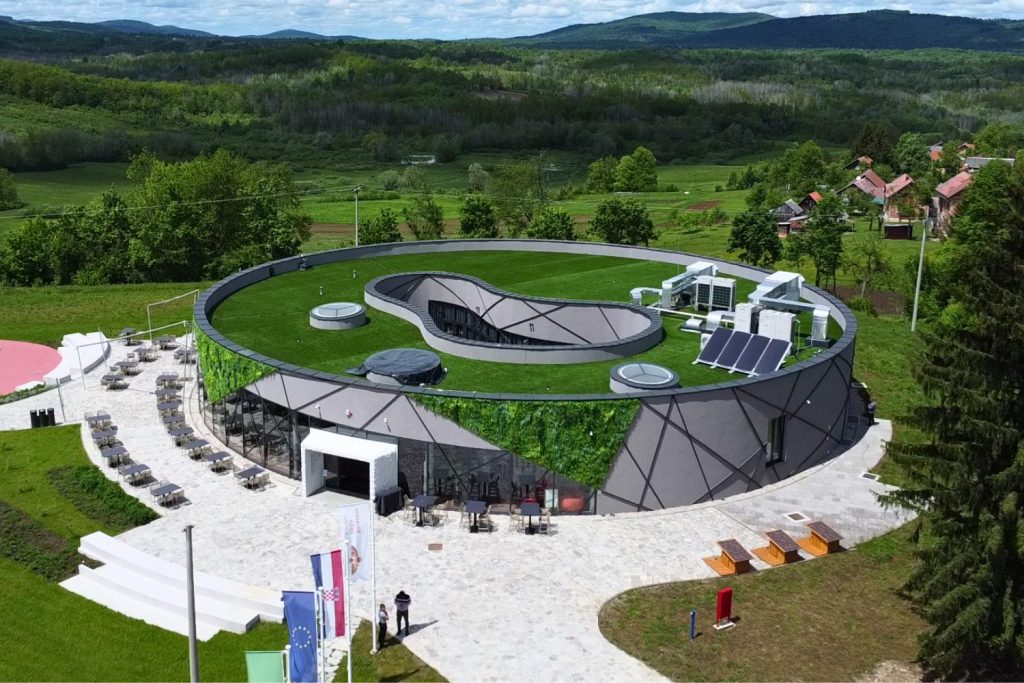
Disadvantages of Artificial Greenery Over Natural Preserved Plants
- Appearance: While technology has advanced to produce highly realistic artificial plants, they cannot fully replicate the authentic appearance of natural plants. Preserved plants retain their natural texture, color, and variability, enhancing aesthetic appeal.
- Environmental Impact: Most artificial plants are made from plastic and synthetic materials, which can negatively impact the environment. Their production and disposal contribute to pollution and waste accumulation.
How to Make the Final Decision?
We advise our clients to consider the following factors before making a decision:
- Location: For dark and humid areas, we recommend natural preserved plants. However, if the green wall will be exposed to direct sunlight or heating, artificial greenery is a better choice.
- Aesthetics: If authentic appearance is a priority, preserved plants are ideal for adding a natural dimension and feel to your space.
- Budget: Define your budget. Artificial greenery is a more cost-effective option compared to natural preserved plants.
- Environmental Awareness: If sustainability is important to you or your company, preserved plants are the better choice due to their natural materials and smaller ecological footprint.
Choosing between natural preserved and artificial greenery for green walls depends on your specific needs, space conditions, and personal preferences. Both options have their pros and cons, so carefully consider all factors before making a decision. Regardless of your choice, green walls will undoubtedly bring freshness and beauty to your space.
For additional advice and assistance, contact us at info@techgarden.hr.